
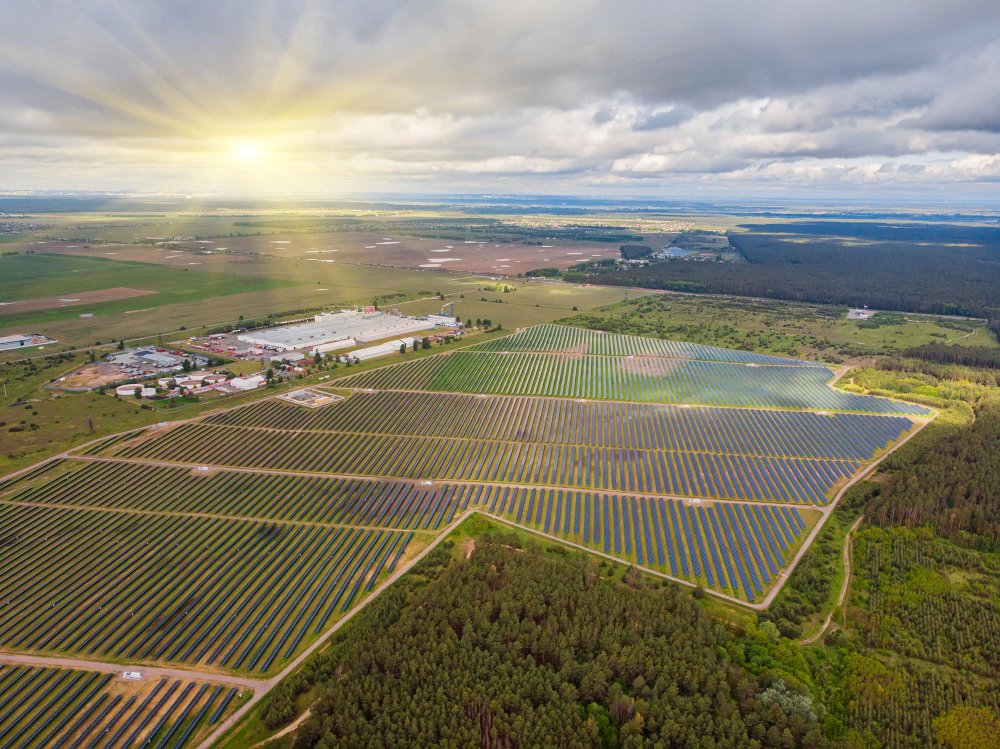
The Current Scenario: Rapid Growth in Solar Manufacturing in India
Driven by strong policy support and rising domestic demand, solar manufacturing in India has expanded at an unprecedented pace. Solar cell and module manufacturing capacity has grown rapidly over the past few years. Key policies such as the Solar PLI scheme in India and the ALMM solar policy have encouraged companies to establish large manufacturing facilities across states including Gujarat, Tamil Nadu, and Rajasthan.
By 2026, India is expected to rank among the world’s leading solar module producers, significantly reducing its long-standing dependence on imports and strengthening clean energy manufacturing in India.
-
India Solar Industry Opportunities: Why 2026 Is a Turning Point
The Indian solar sector is entering a decisive phase of growth. Policy support, strong market demand, and technology upgrades are reshaping the industry. These developments are not only expanding manufacturing capacity but also strengthening India’s position in global solar markets.
1. Massive Domestic Demand
India’s ambitious renewable energy targets, including the 500 GW goal by 2030, ensure sustained demand for solar components. Utility-scale solar parks, rooftop installations, and commercial projects continue to support a strong renewable energy supply chain in India, creating long-term market stability for manufacturers.
2. Job Creation and Industrial Growth
Solar panel manufacturing in India has become a major source of employment. The sector generates jobs for engineers, technicians, logistics providers, and supporting industries. This growth supports thousands of livelihoods while contributing to broader industrial development across the country.
3. Export Potential
As global markets seek to reduce dependence on a limited number of suppliers, India has a strong opportunity to position itself as a reliable exporter. Indian manufacturers can serve growing demand in regions such as the Middle East, Africa, and parts of Europe, strengthening India solar industry opportunities beyond domestic markets.
4. Technology Upgradation
Indian manufacturers are increasingly adopting advanced technologies to produce high-efficiency solar panels. This shift allows companies to compete globally on performance, quality, and reliability rather than competing solely on price.
Solar Industry Risks in India: Key Challenges Ahead
Despite rapid progress, the solar industry risks in India remain significant and must be addressed to ensure sustainable growth.
• Rapid expansion of manufacturing capacity could outpace actual market demand, leading to oversupply, declining margins, financial stress, and industry consolidation. Smaller players may struggle to survive under such conditions
• While solar module manufacturing capacity in India has increased, the country still depends heavily on imported polysilicon and wafers. This reliance exposes the supply chain to global price volatility and geopolitical uncertainties.
• Export growth is also constrained by tariffs, strict rules of origin, and complex certification requirements, which raise costs and delay market access.
• Additionally, frequent policy changes and uncertainty around long-term incentives can discourage investment and complicate planning for large-scale projects.
The Road Ahead: Building a Resilient Solar Supply Chain
To achieve long-term leadership, India must transform its solar sector into a resilient and self-reliant ecosystem. Developing domestic capabilities in critical raw materials such as polysilicon and wafers is essential to reducing import dependence.
Aligning manufacturing expansion with realistic demand projections will help prevent destructive price competition. Equally important is maintaining stable and predictable policies, investing in workforce training, and strengthening research and development.
These measures will support clean energy manufacturing in India, enabling Indian companies to compete confidently in global markets while securing the nation’s energy future.
Conclusion
In 2026, the India solar supply chain 2026 reflects both strong growth and persistent challenges. The country has made impressive progress in building domestic manufacturing capacity, yet key risks remain. With stable policies, continued technology investment, and deeper supply-chain integration, solar manufacturing can enhance energy security, drive economic growth, and firmly establish India as a global leader in clean energy.